


Gretal’s work is meticulously hand-forged, evoking the tactile strength and precision of traditional metalcraft. Victoria, in contrast, reimagines domestic metalware, combining found objects with textiles to transform the familiar into something unexpected.
Combining humour and handwork their work traces the porous boundaries between body, material, and the social expectations that shape our lives.
***
Opening Celebration
Thursday 25 June, 2026
5.30 ~ 7.30
RSVP
Artist Talk
Saturday 27 June, 2026
3 ~ 4pm
RSVP
Both artists will be in attendance for the opening and artist talk.

Gretal Ferguson
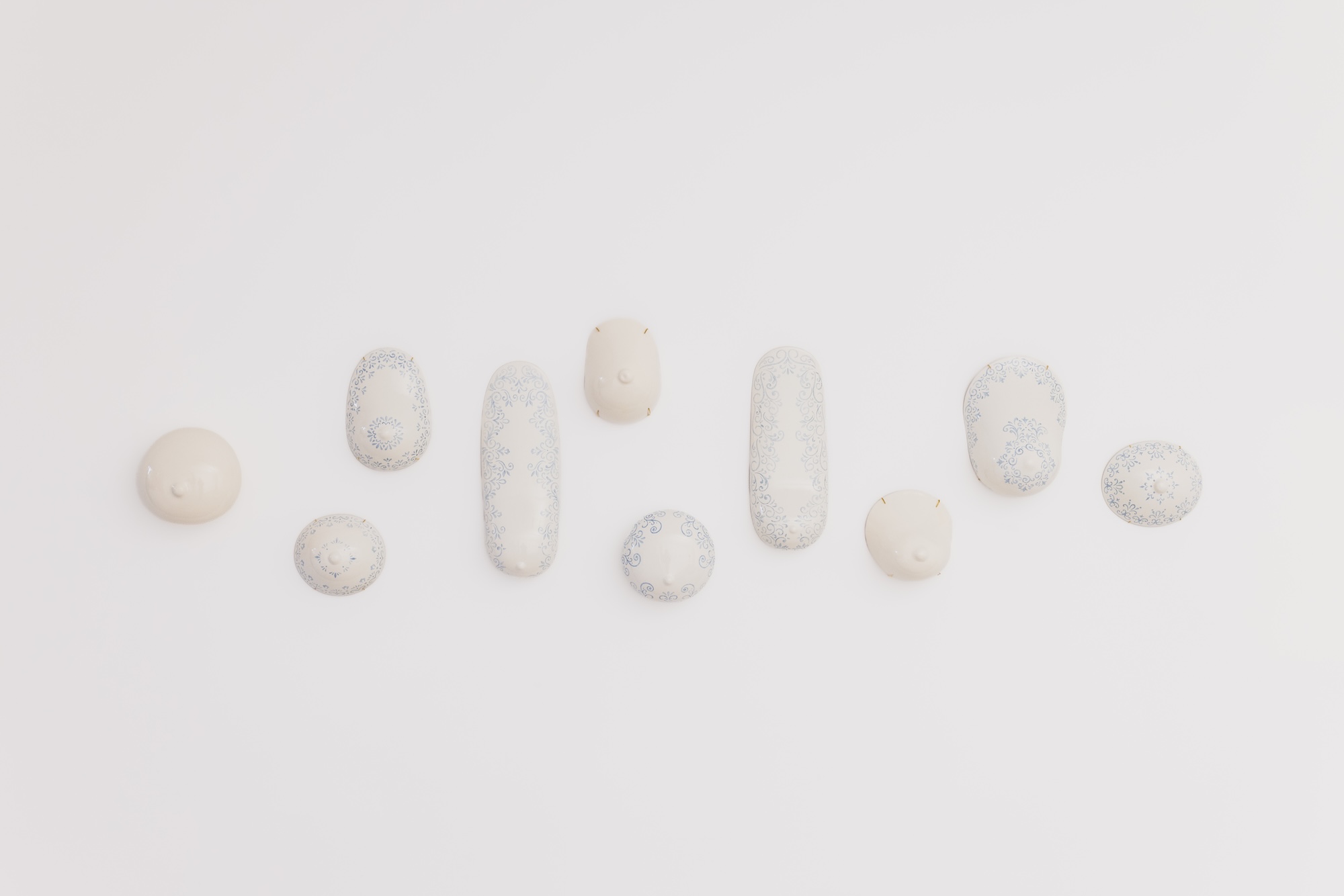
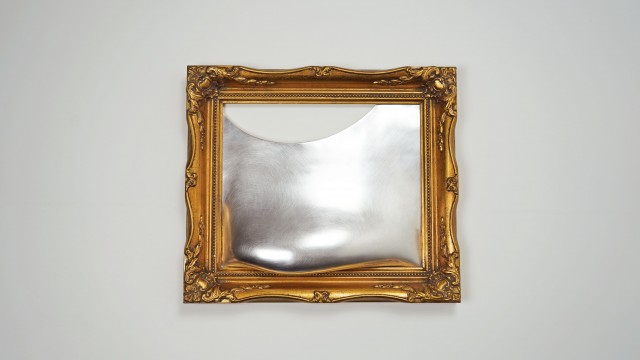
Hidden Labour explores the still prevalent perception of female fragility in contrast to the strength acquired through the minimised struggles endured simply existing in society.
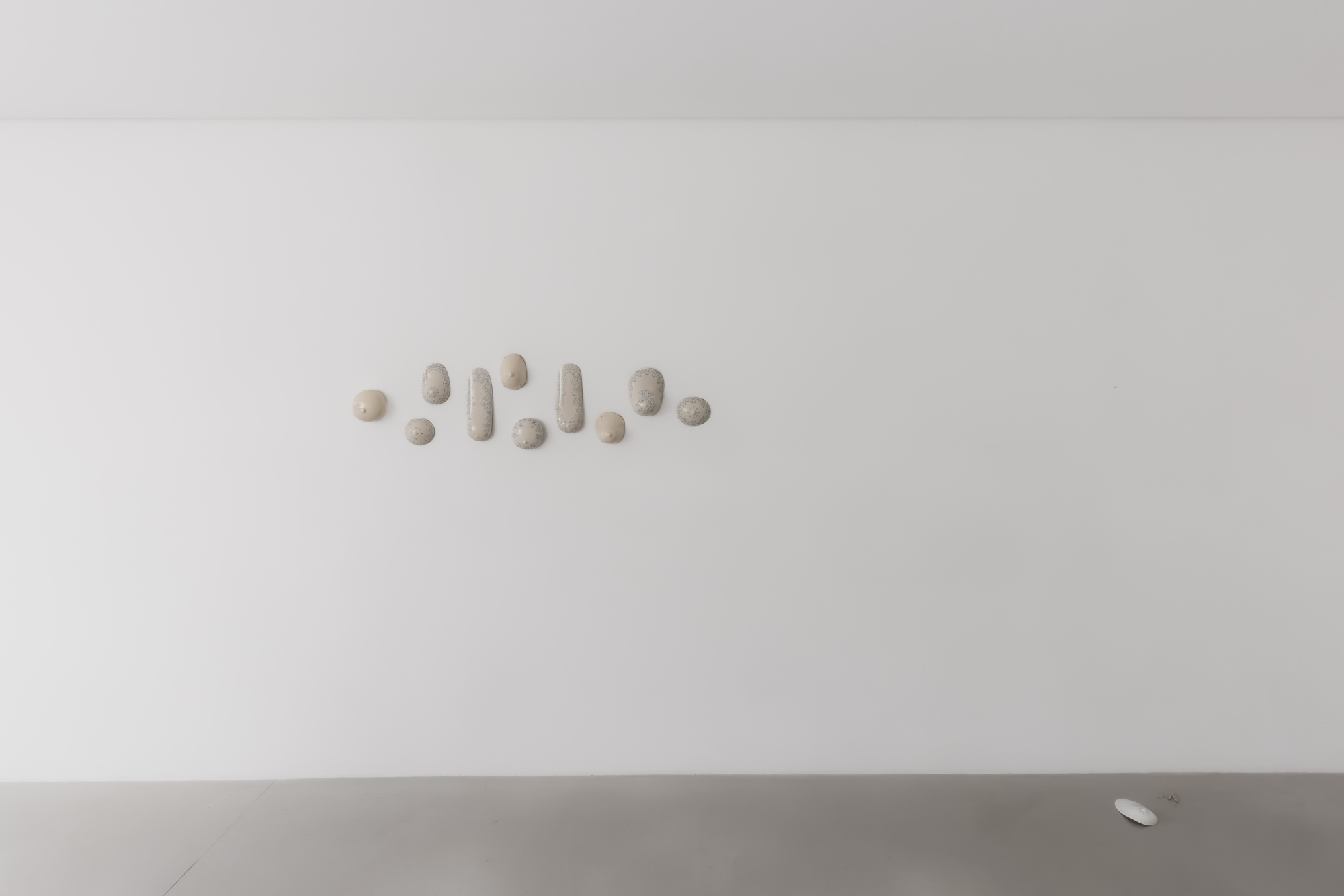
Starting from flat copper sheet these objects are meticulously formed by hand through thousands of hammer blows, yet all trace of this labour is hidden beneath a layer of white, making the work appear simple, delicate, and fragile.
Perceived as porcelain, the work would be expected to shatter if dropped, but the copper beneath enables the piece to bend and not break. Affected, but still functional.
Displayed in the manner of decorative plates the hanging method not only hints at women’s societally expected domesticity, but also their frequent objectification, regardless of their place in the world.
With the newest wave of politicization of women’s bodily autonomy, utilising the most universal iconography to represent women allows the audience to imbue the objects with their own meaning, each viewer interpreting the work according to their own experiences.
Victoria Edin
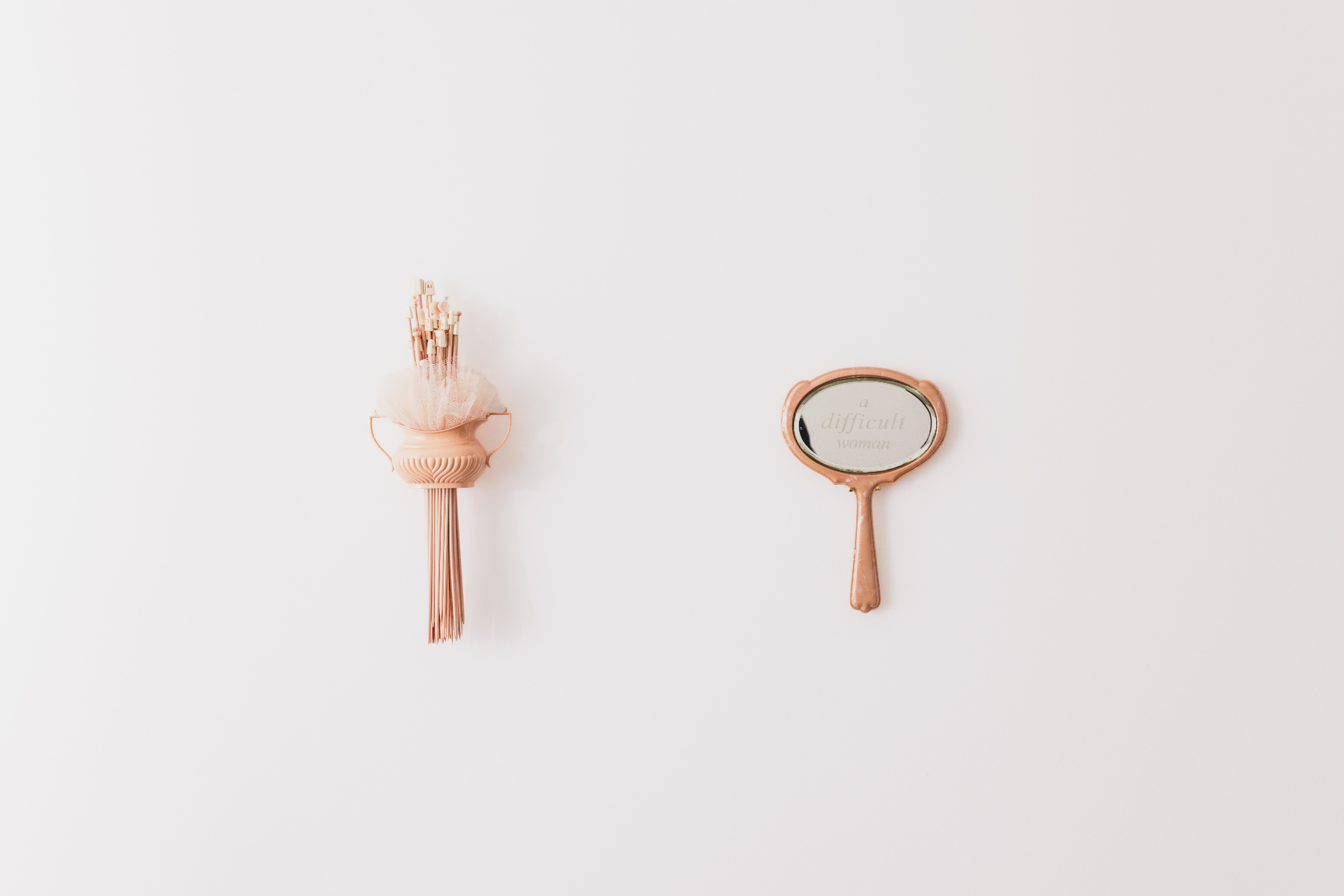
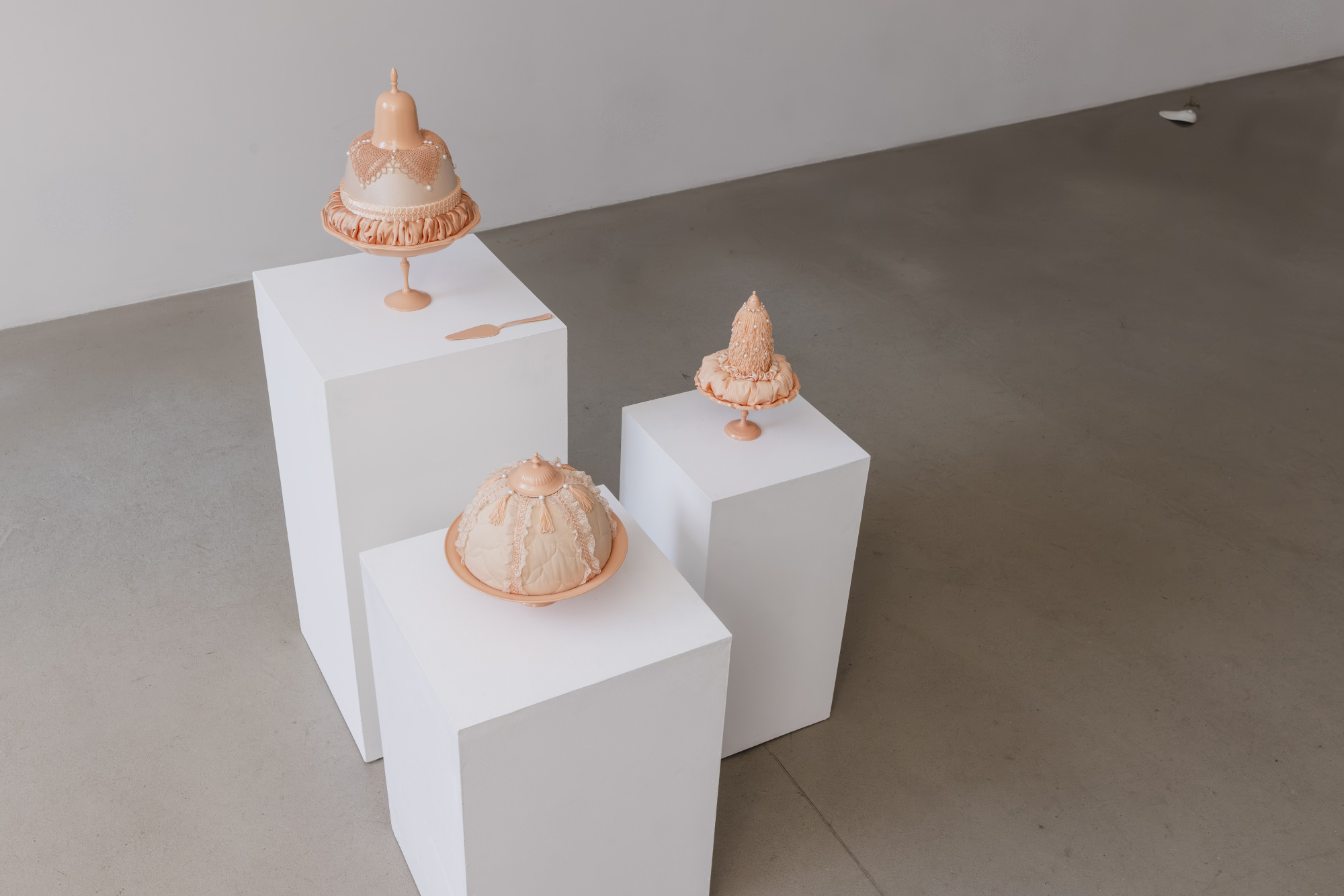
Disrupt considers how expectations around behaviour, gender, and the body are taught, internalised, and passed down. By combining domestic metalware, fabric, and text, these works trace inherited narratives shaped by shame, silence, and control. Familiar objects—sugar bowls, gravy boats, and hot water bottle covers—become sites where the body is both referenced and regulated.
The series of hot water bottle covers draws on the visual language of a school sampler, recalling a long tradition of teaching girls decorative needlework. Through the repetition and reinterpretation of embroidery stitches, the work reflects on how these practices function as both skill-building and behavioural instruction. Text elements juxtapose slang with biological terminology, exposing tensions between lived experience and the formal language used to discipline and define the body.
Across the work, references to the body persist. Knitting needles suggest both care and harm, alluding to histories of abortion, while vessels such as gravy boats evoke leaking or unruly bodies. In the cake works, synthetic colours—apricot tones reminiscent of 1980s bridesmaid dresses—combine with vintage fringing and watered silk to produce a nostalgic aesthetic that feels subtly disquieting. Together, these pieces explore the intersection of domesticity, instruction, and bodily autonomy.
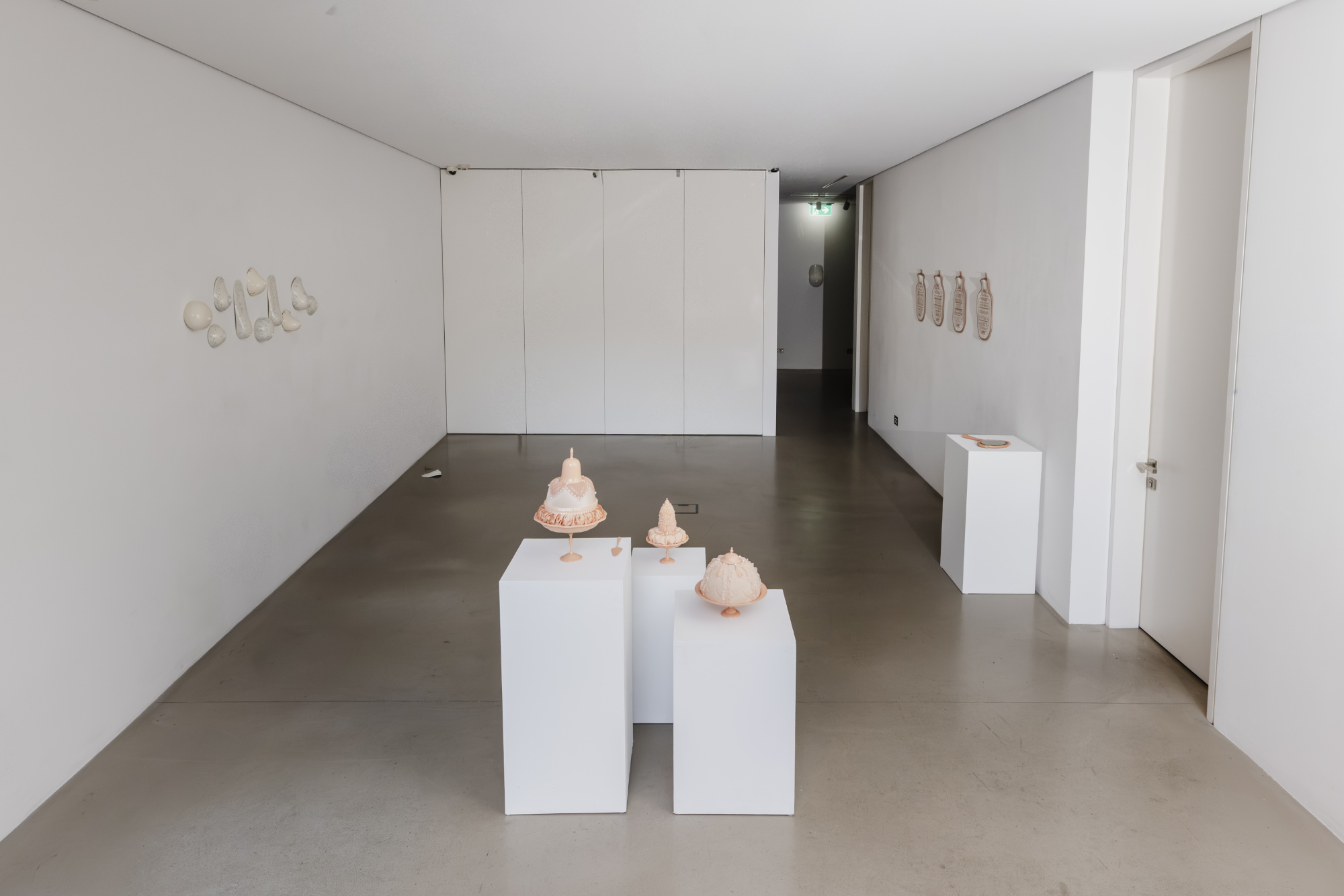
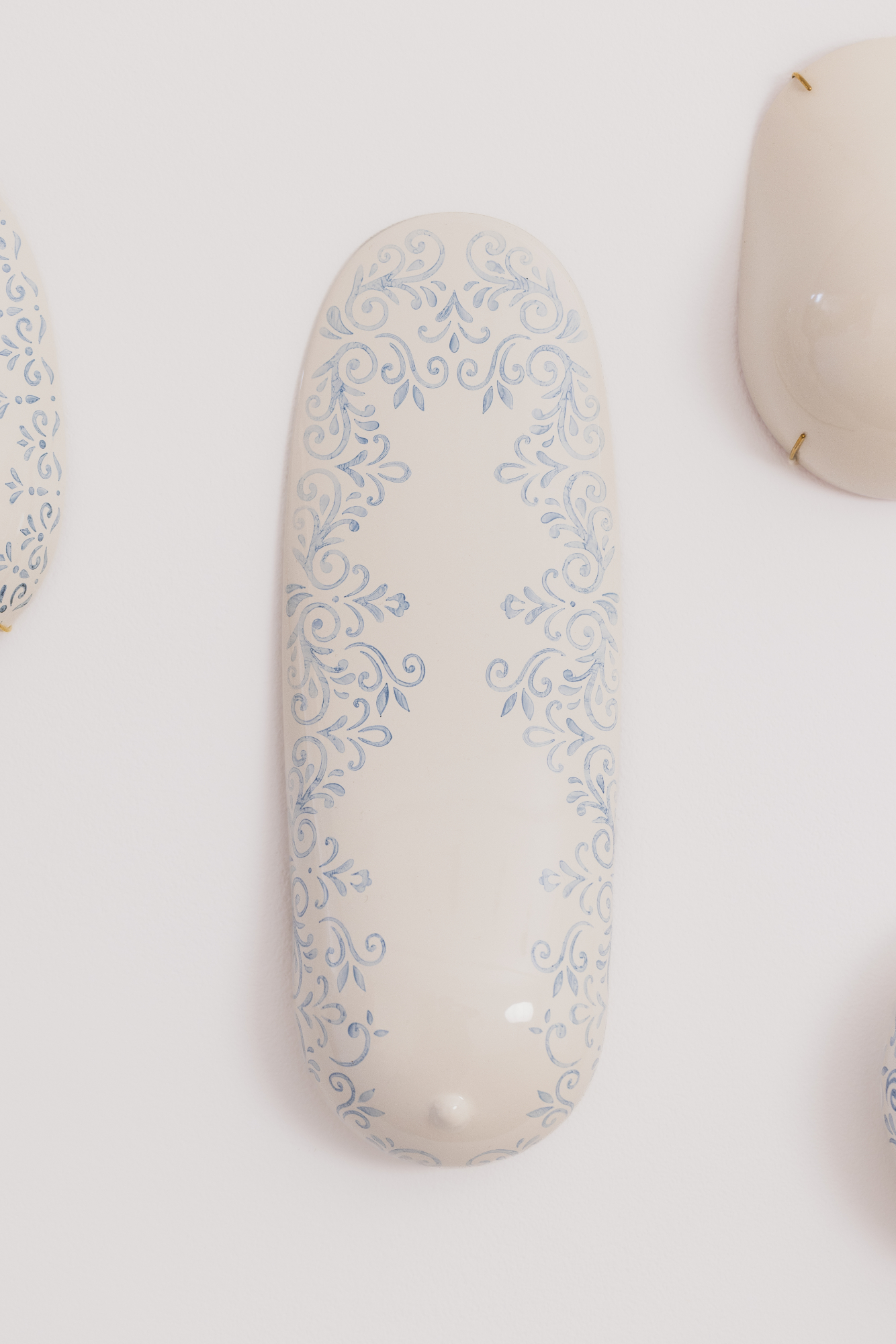
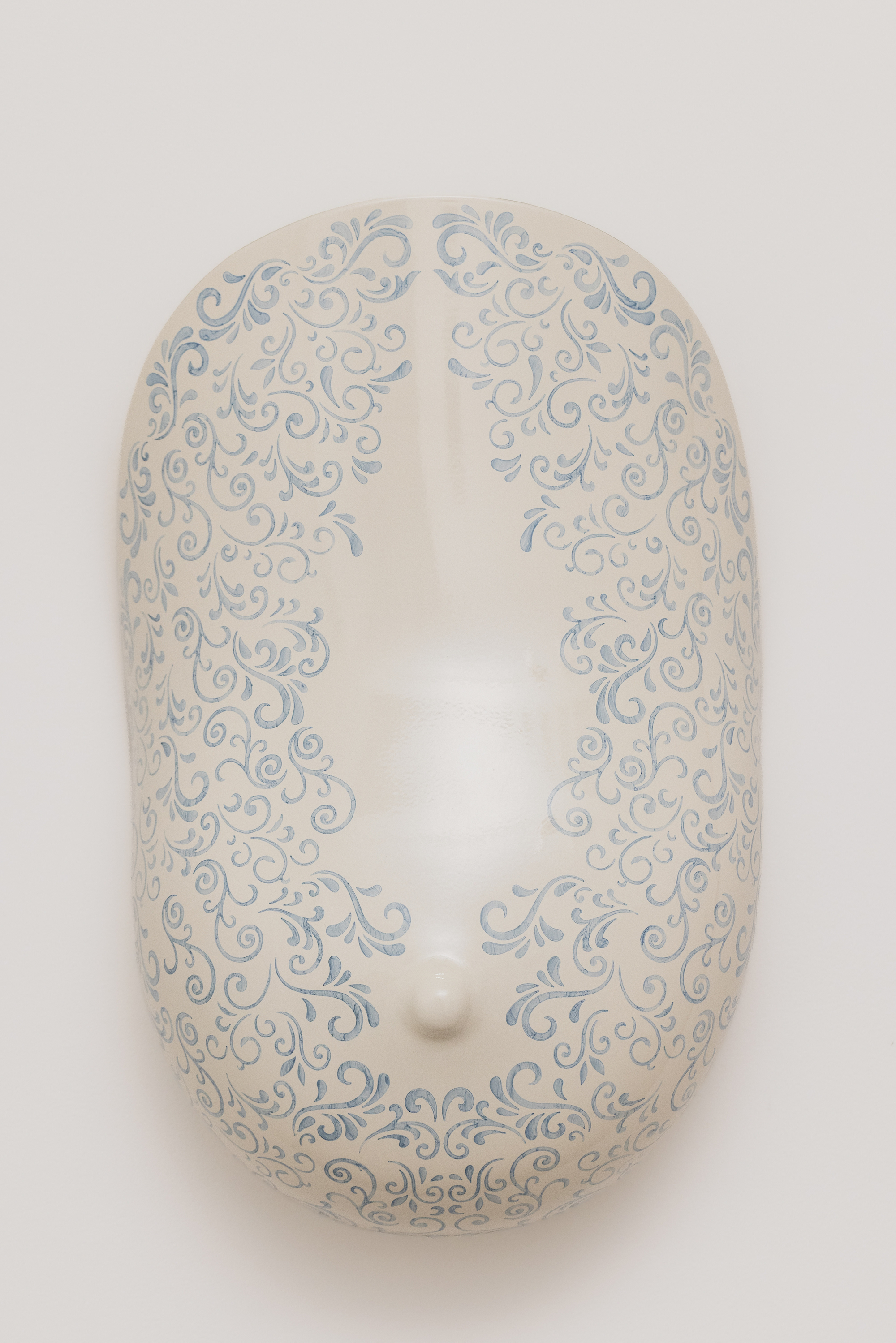
Installation images by Byron Martin


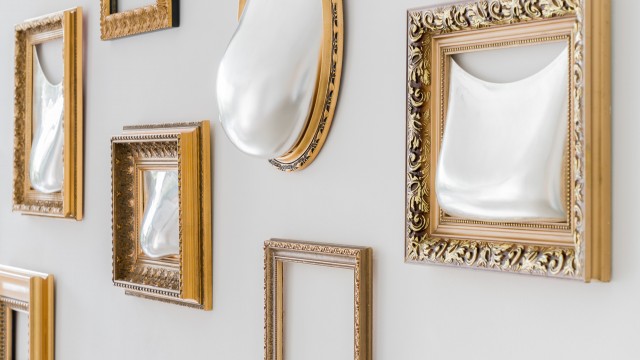

Victoria Edin & Gretal Ferguson
Unbecoming
June 25-July 18, 2026