


IN TRANSLATION
an essay by Claire de Carteret
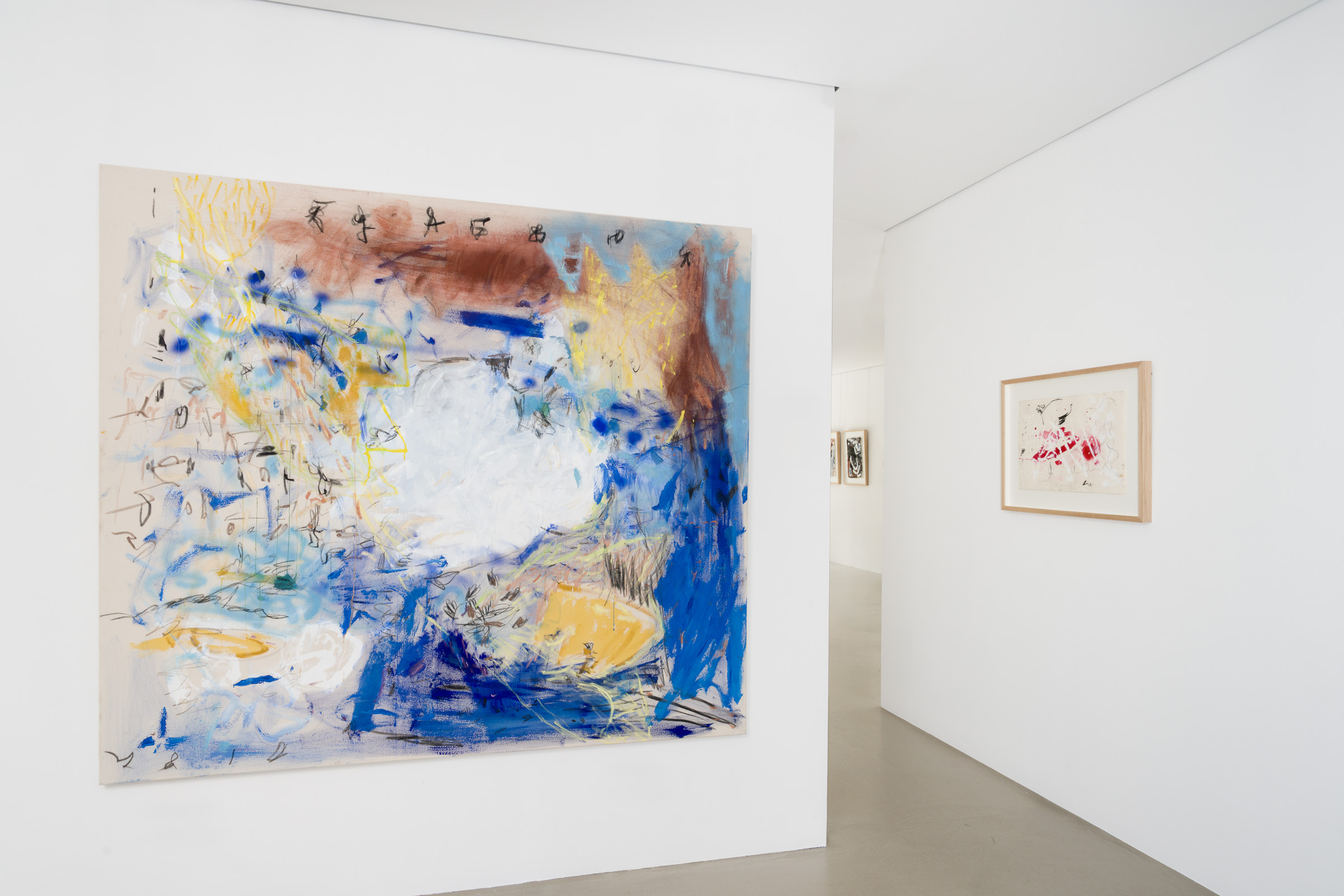
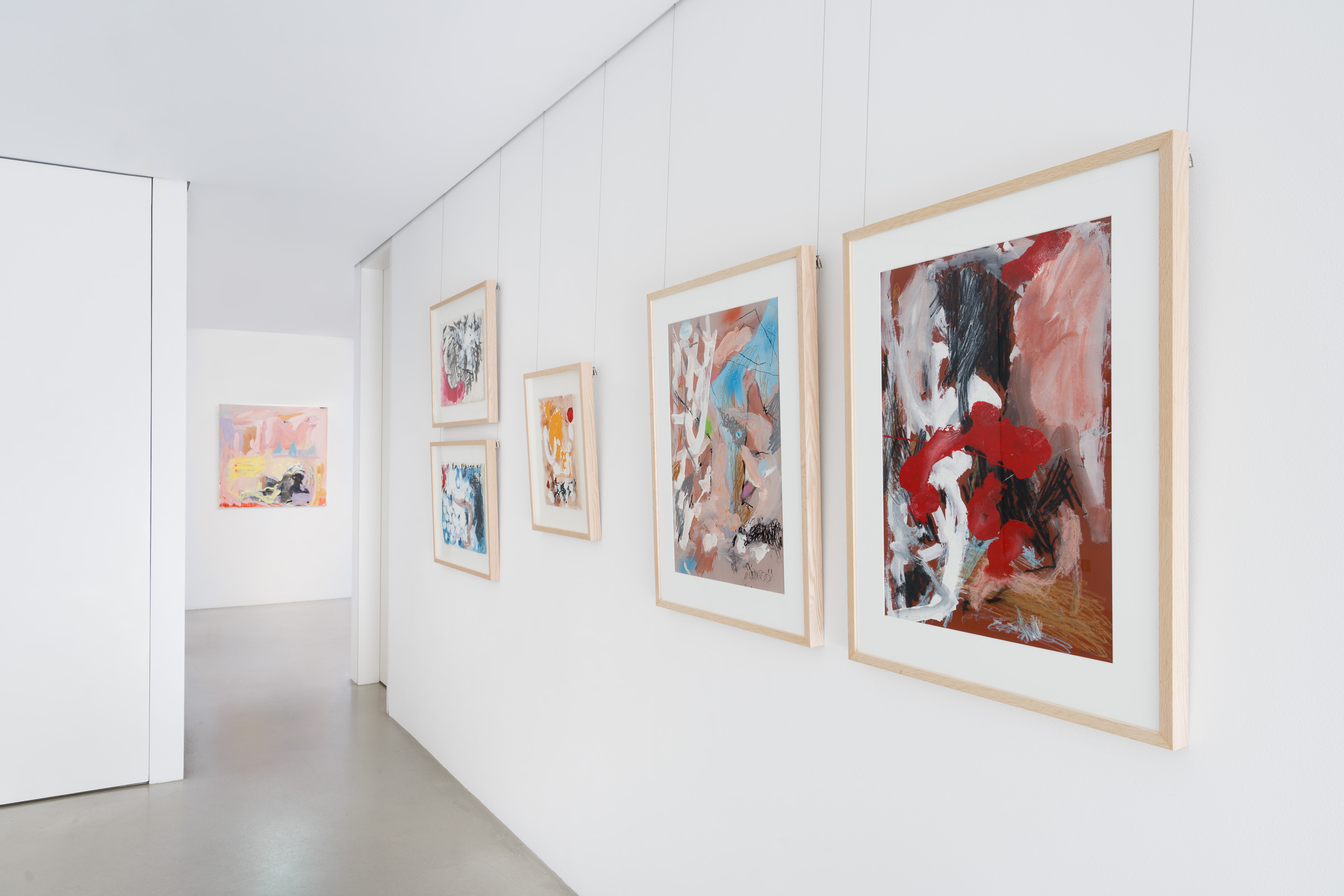
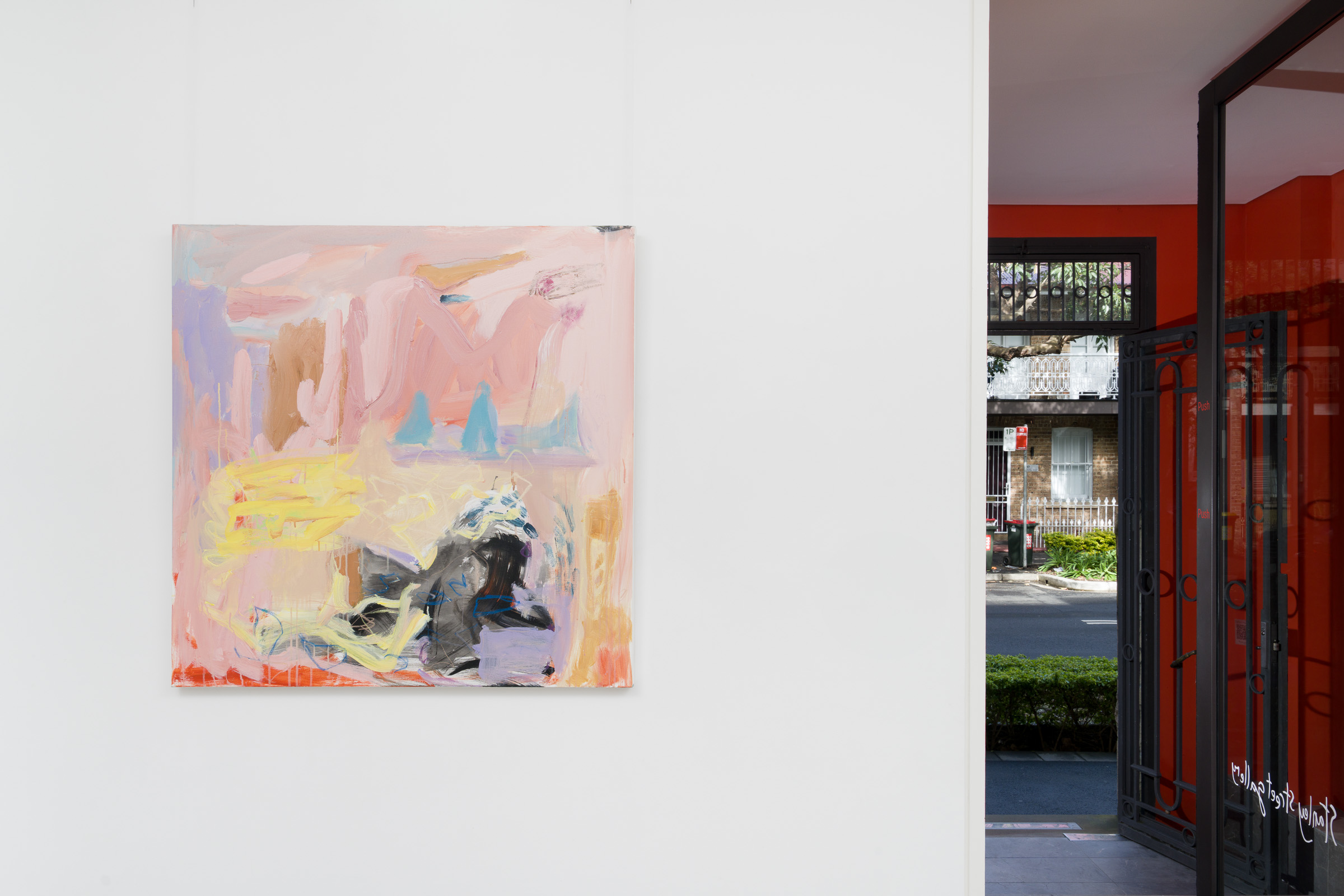
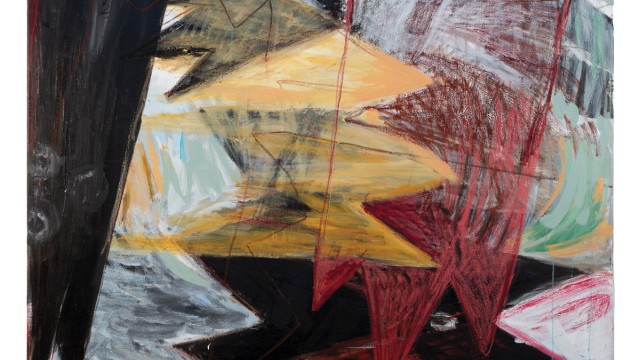
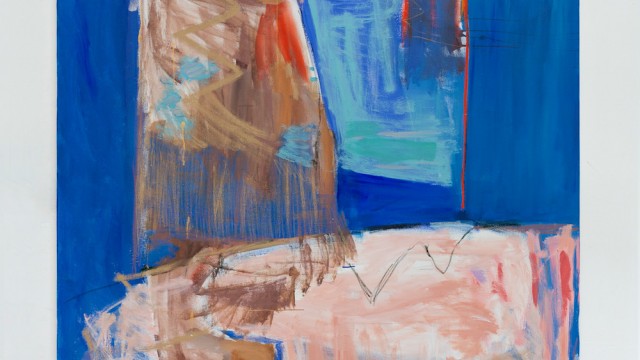
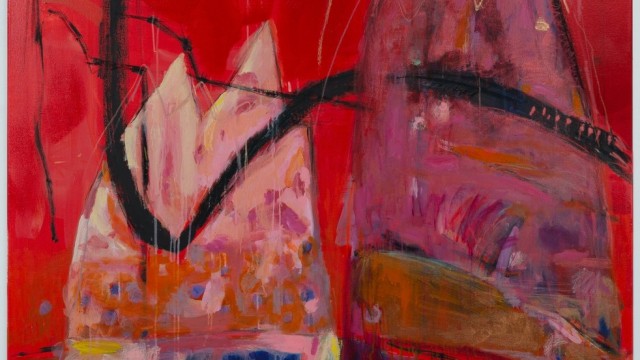
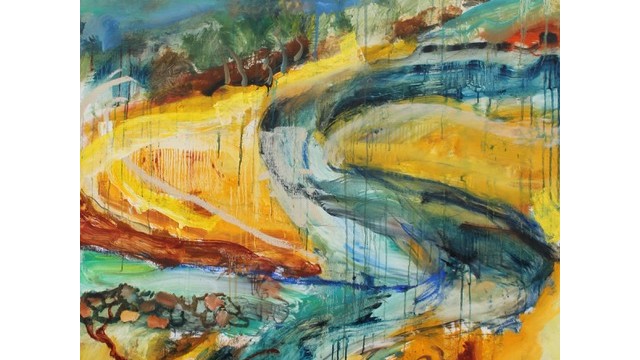
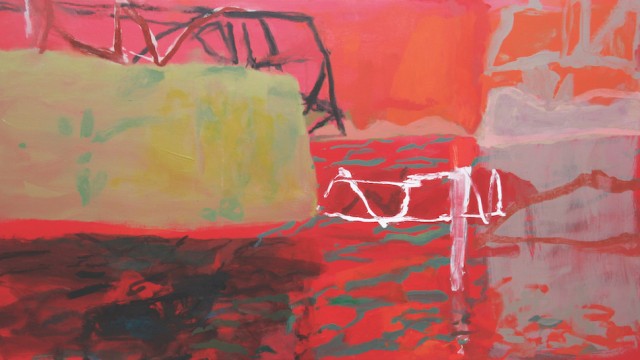
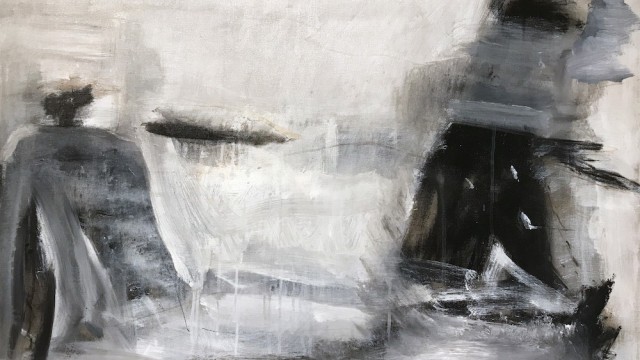
Without relying on representational form, Andjana Pachkova's paintings play the mind like an instrument, intertwining senses and emotion. Storms of colour wrap viewers in a rapport of improvisation that is loosely structured by strong charcoal lines and impulsive marks. It is a dance she says, preferring to place her canvas on the floor instead of pinning it to an easel. Her paintings arrive in a tumultuous context of great political change. Unlike a previous preoccupation with water and the ocean landscape, titles such as 'Numbers Game' and 'American Flag and other Places' suggest a sobering reflection of the times. There is something very matter of fact to her approach. These works came out very quickly, she says. It was an outburst, a retort. Working horizontally, unseated and moving with speed is intrinsic to the quick-step flowing choreography of colour. Dancing with colours and moving with the textures of charcoal and pencil are an undoing, a place where Pachkova allows herself release.
Wassily Kandinsky comes up in every conversation we have and I realise that in order to appreciate what Pachkova is doing, one must understand his position on abstraction and lifelong relationship with music. The Russian Expressionist and Romantic spent most of his life as an immigrant living between Germany and France in the early 20th century. In 1911, with Franz Marc, he co-founded Der Blaue Rider (the Blue Rider), a group characterised by an intense concern with subjectivity, pioneering the German Expressionist movement with exhibitions and publications. The group disbanded at the outbreak of World War I and Kandinsky returned to Moscow. After the war in 1922, Kandinsky would teach at the Weimar Bauhaus art school until it was closed by the Nazis in 1933.
Kandinsky's career is entwined in remarkable political and historical events that shook Europe. There is a darkness to this period and it's during this time that we see his work take a distinctive turn from representational scenes and landscape to a focus on simplified blocks of colour and independent geometric compositions - a leap into abstraction. This transition from a "convincing illusion" to non- depicting abstraction was revolutionary to pictorial tradition and revealed new intellectual and emotional urges to audiences. This complete deconstruction of the picture was underpinned by a profound preoccupation with the spirit of colour. Colour was no longer used as a visual description of an object; green did not equal leaves, brown did not equal tree trunk and so on. Instead colour became something of an autonomous agent capable of stirring one's unconscious inner world, much like a piece of music. Relationships between music and colour were crucial to Kandinsky's break into abstraction. He held the belief that shades of colour resonated with one another, similar to notes harmonising together. We see this as his paintings begin to prioritise the vitality of colour above the figurative, as an expressive form. This undoing and release of representation showed us a new set of desires that were raw and intended to speak directly to the psyche.

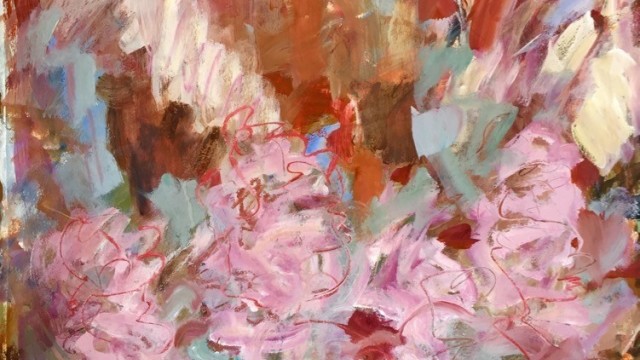
Pachkova's latest body of work follows the Romantic and Expressionist tradition in the face of dark political change. Embodying the complexity of Ukrainian, Armenian and Russian-speaking cultural heritage, the way she moves with her materials is an unfiltered navigation of identity. It's vulnerable and seeking honesty. Spontaneous lines of black charcoal etched onto paper build layer upon layer to create an uneven foundational surface. She then smudges thicker lines of charcoal and draws coloured shapes, alternating between large brush marks and thin expressive lines of blue and white to hold it together. Materialising an echo of her internal world, one cannot but note an undeniable tension within the material surface treatment. Symphonies of colour spill out onto the canvas with both severity and softness. Works such as "The War Began in Winter" and "Variation on the Ukrainian theme" openly allude to political conflict in theme, yet the seriousness of her titles contrasts with the vitality and joy of colour she uses. A flag motif loosely weaves itself conceptually in the series, but it is not something her body and brush movement abides to. Andjana is responding to the way different shades resonate with each other, how the pink blushes warmly against varying notes of orange in contrast with a cool moss green and how together they make an undeniable melody.
I wonder what it means to present works such as these to an Australian audience who are geographically so far away from the cultural contradictions and tensions that she embodies. What does it mean to present abstraction, a movement so tied to Russian cultural history and European modernism on the other side of the world? Andjana's work tenderly invites us to meet with a complexity that we may not understand. It's something we don't see in political analysis or media discourse. This series sings back to Kandinsky's leap into abstraction and reminds us that beauty and joy are not indulgences to be taken for granted. They are principles to be respected and protected. With each piece of wordless poetry, Pachkova offers her vulnerability to awaken our own yearning and questioning for something else.
Claire de Carteret
July 2025
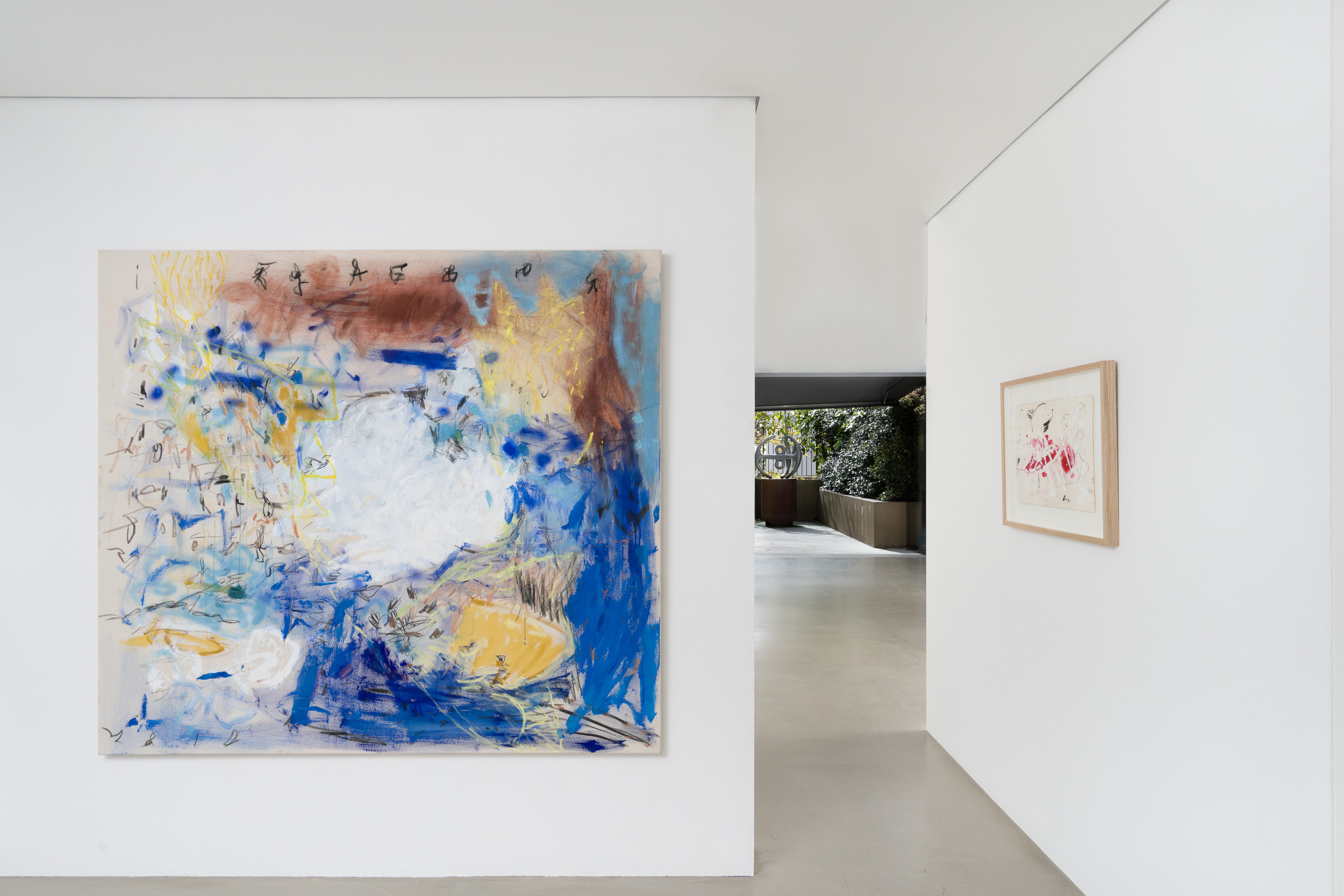
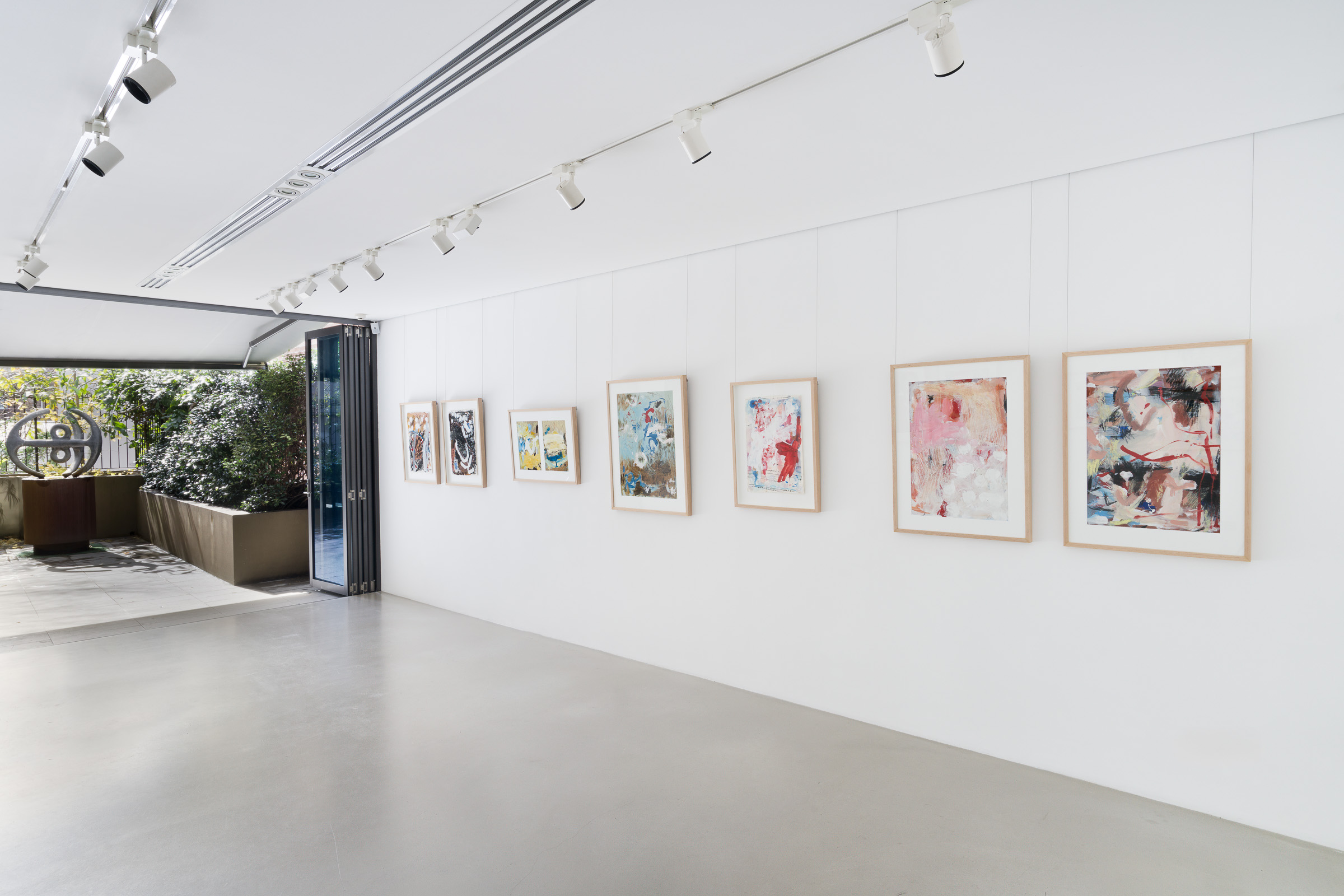
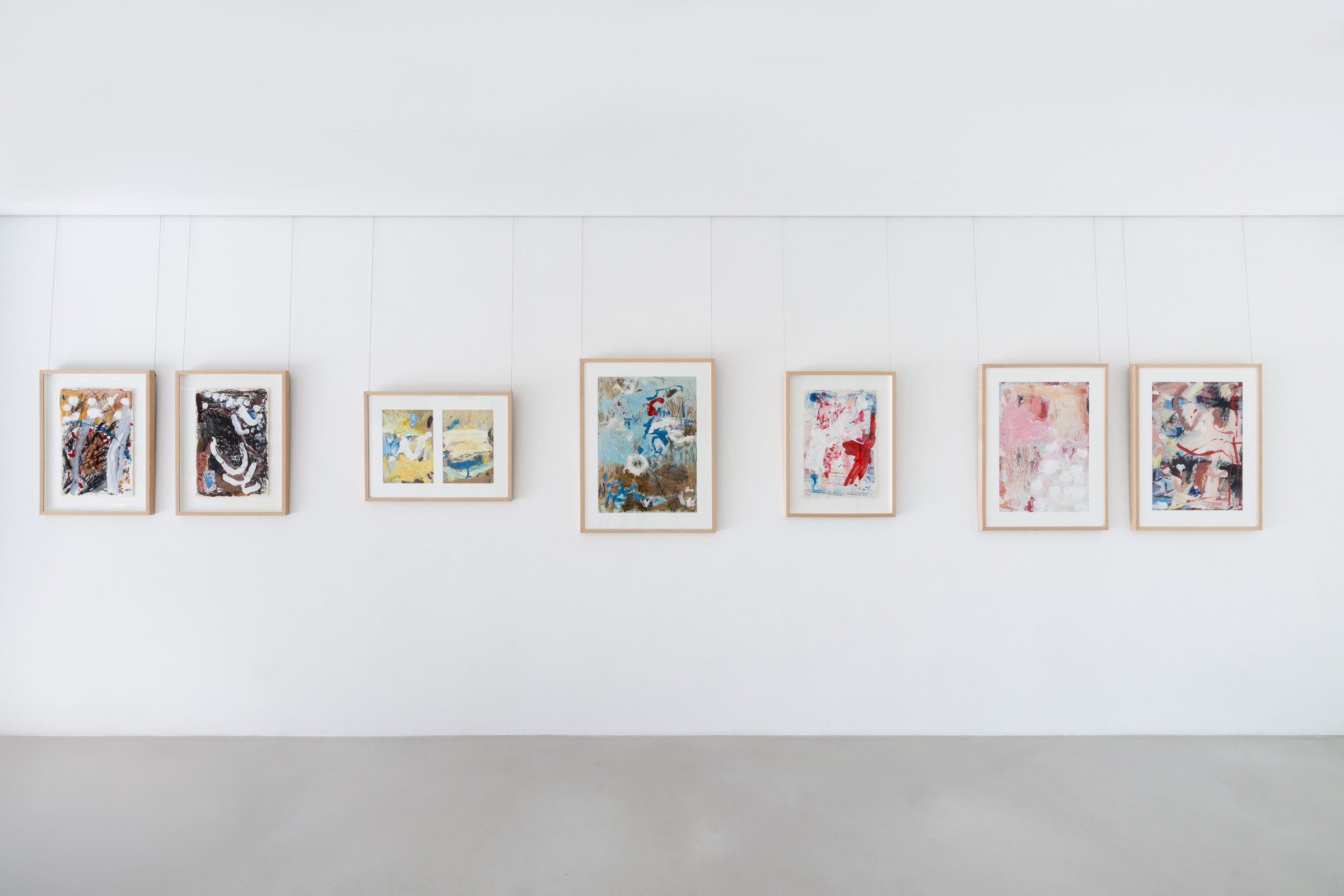
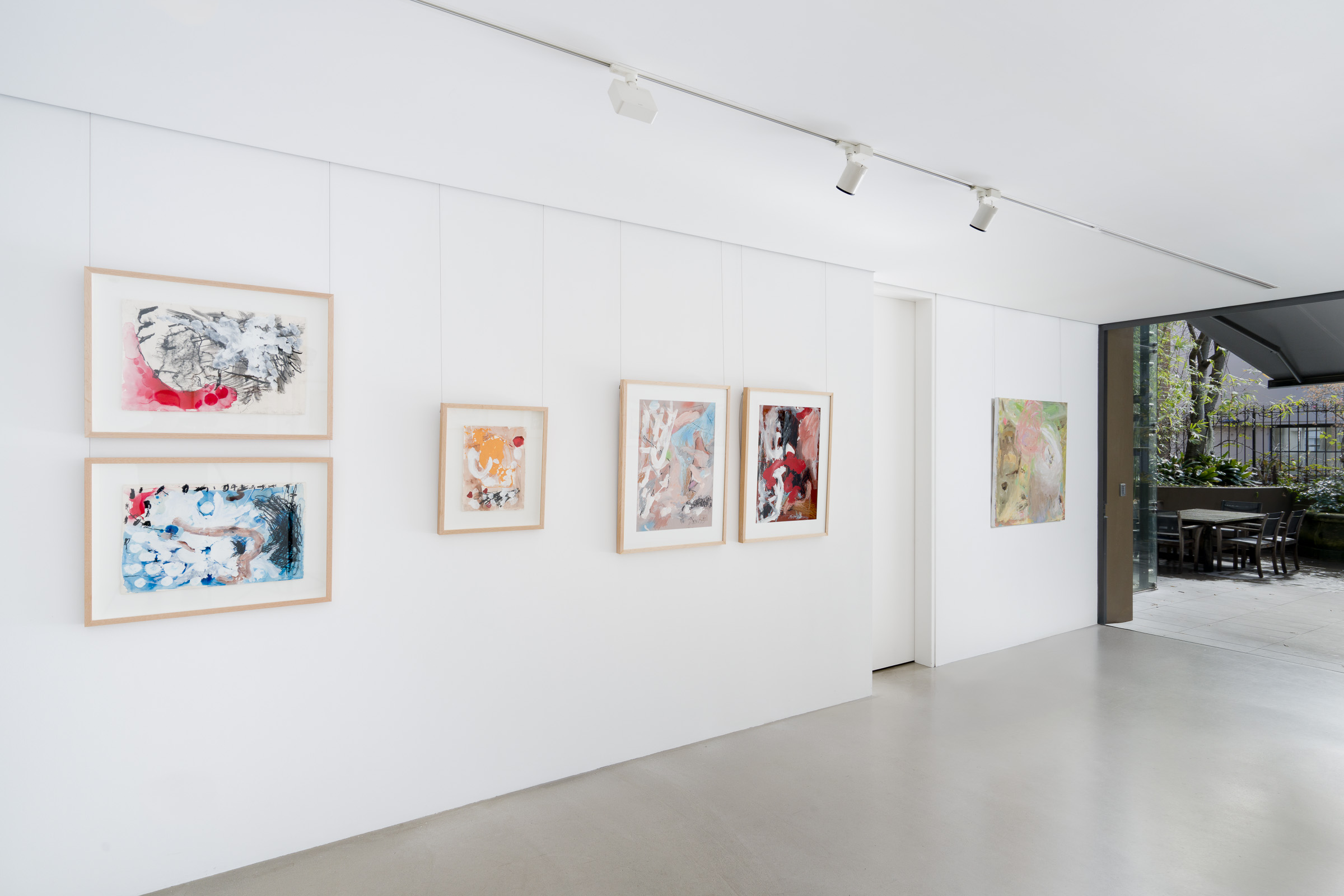
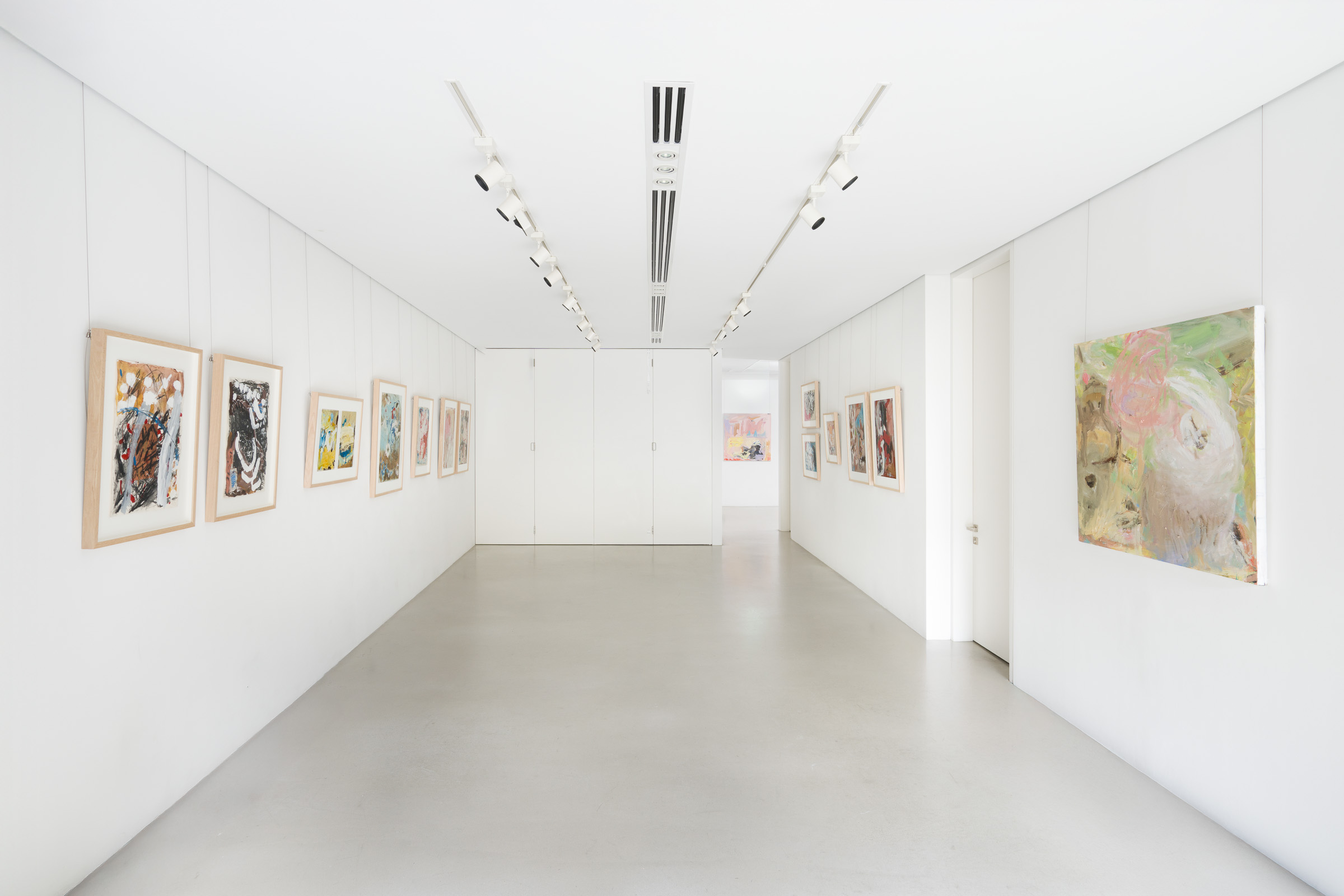
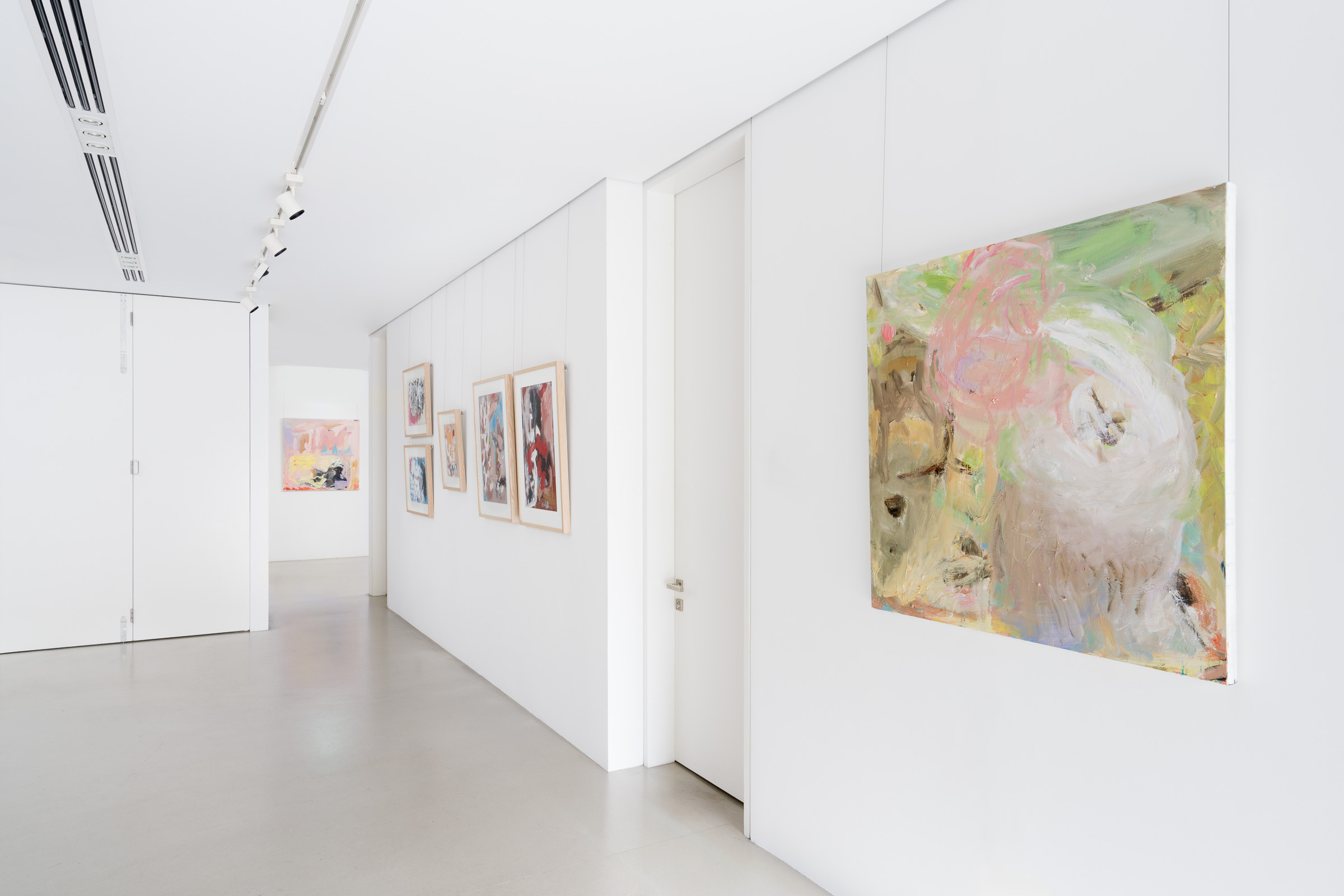
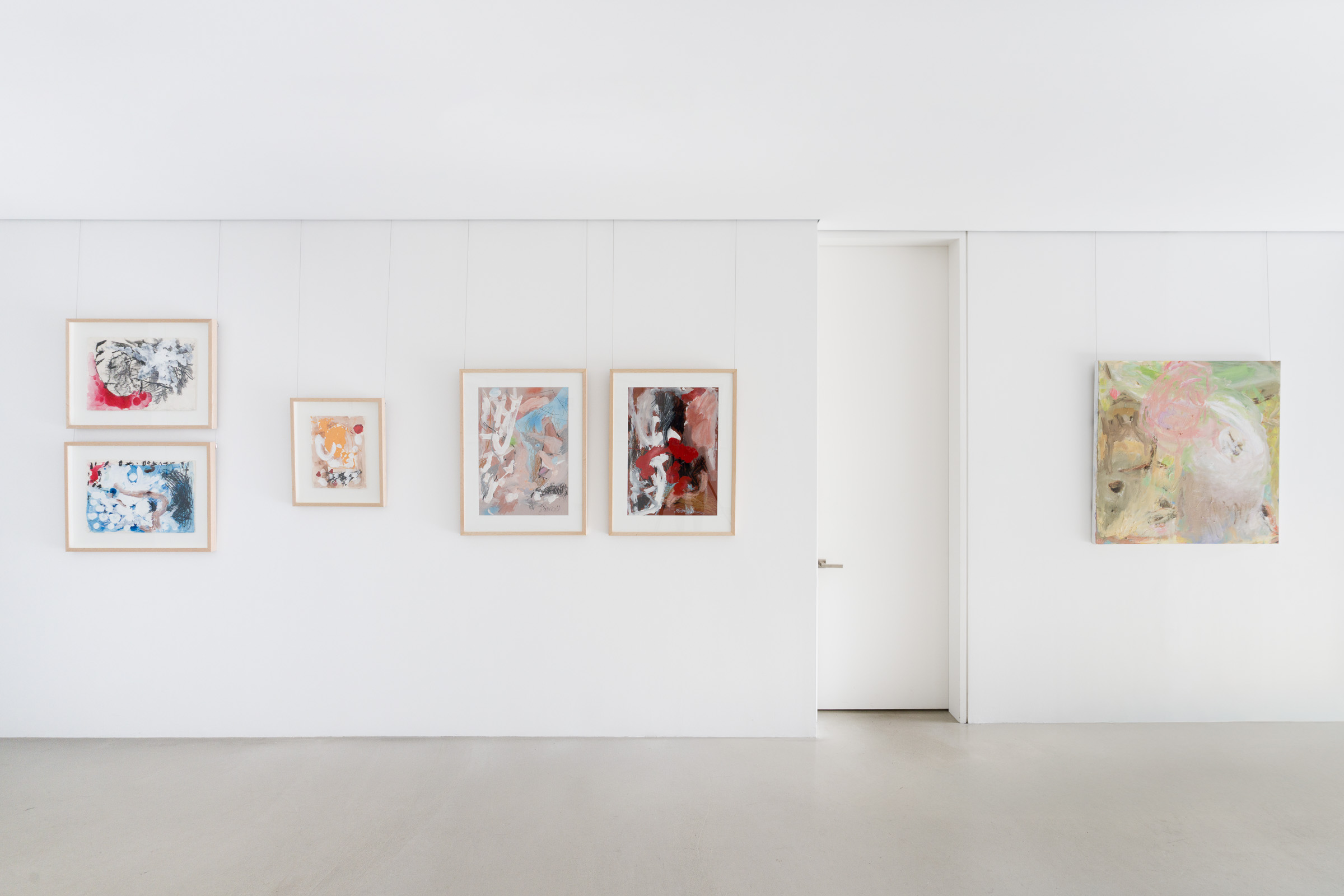
Images by Docqment
Born in Ukraine, Andjana Pachkova comes from a traditional Russian art tutoring background. Following the political shifts of Perestroika, she moved to Moscow, where she began formal art training through classes at the Stroganov Academy of Industrial and Applied Arts. Alongside this, she pursued legal studies and went on to complete a Bachelor of Law at Moscow International University in 1998.
In 1997, Pachkova was awarded the prestigious Davis Fellowship, which enabled her to move to the United States for postgraduate study. She earned a Master of Arts in Liberal Studies from Dartmouth College in 2000—where she also undertook art courses—followed by a Master of Law from Harvard University in 2001. During this period, she continued to deepen her artistic practice, also taking courses at New York University (NYU). Her work grew out of a deep interest in human relationships to place and landscape, particularly the subtle psychological transformations that occur as people move through and between environments.
After relocating to Australia in 2013, Andjana formalised her art training by completing a Diploma of Visual Arts at Northbridge Visual Art School in 2014. She has since exhibited regularly in Sydney, presenting four solo exhibitions with Stanley Street Gallery. Her practice has been enriched through mentorship and study with notable Australian artists including Idris Murphy, Jo Bertini, Brandt Lewis, Denis Clarke, and Tony Tozer.
Andjana Pachkova’s work is held in private collections across the United States—including the Harvard Law faculty in Cambridge, Massachusetts—as well as in Russia, Australia, New Zealand, Iceland, Finland, Israel, and Lebanon.
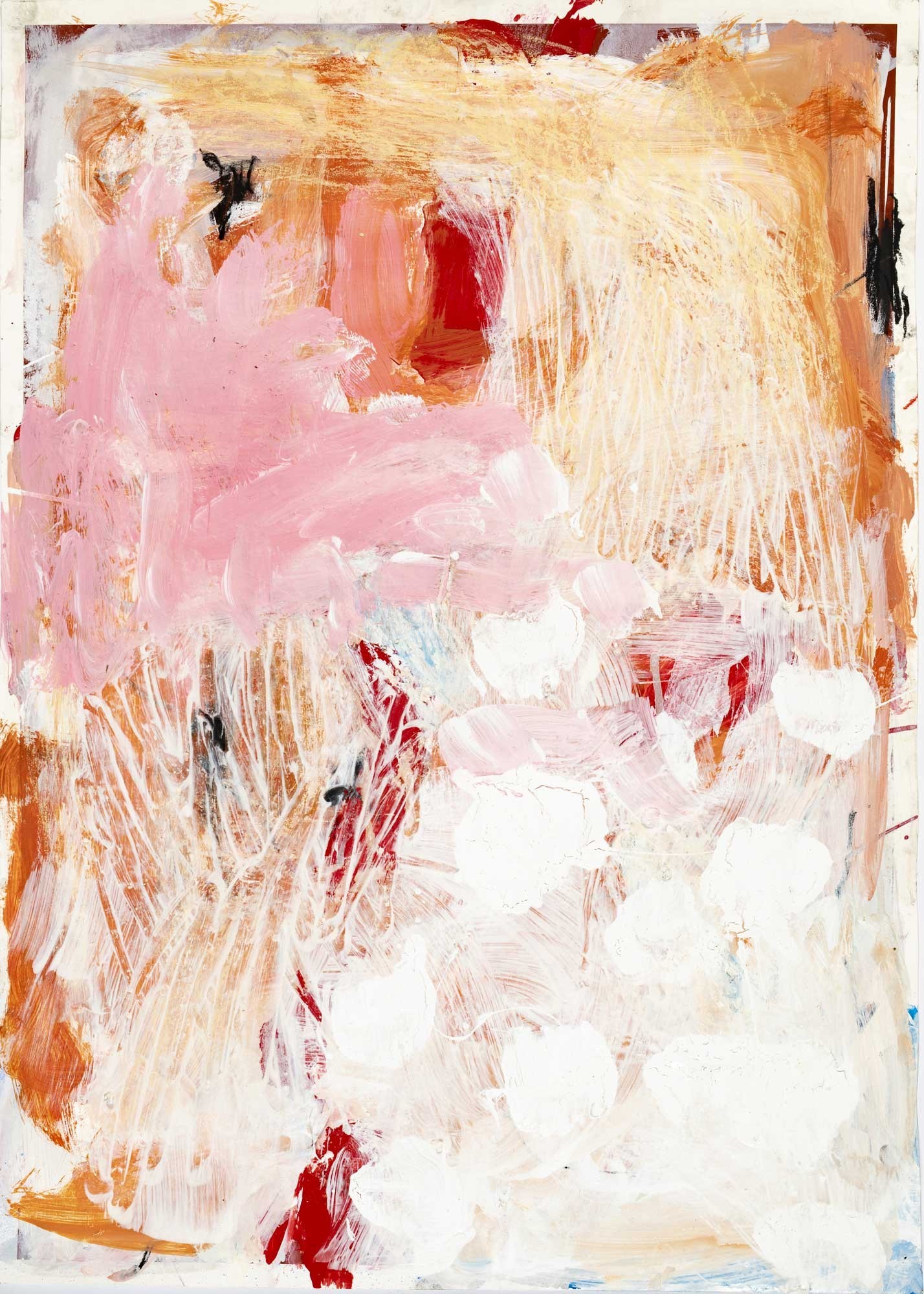 Andjana Pachkova, Remember Me, 2024, Image Jessica Mauerer


Andjana Pachkova
In Translation
August 7-23, 2025